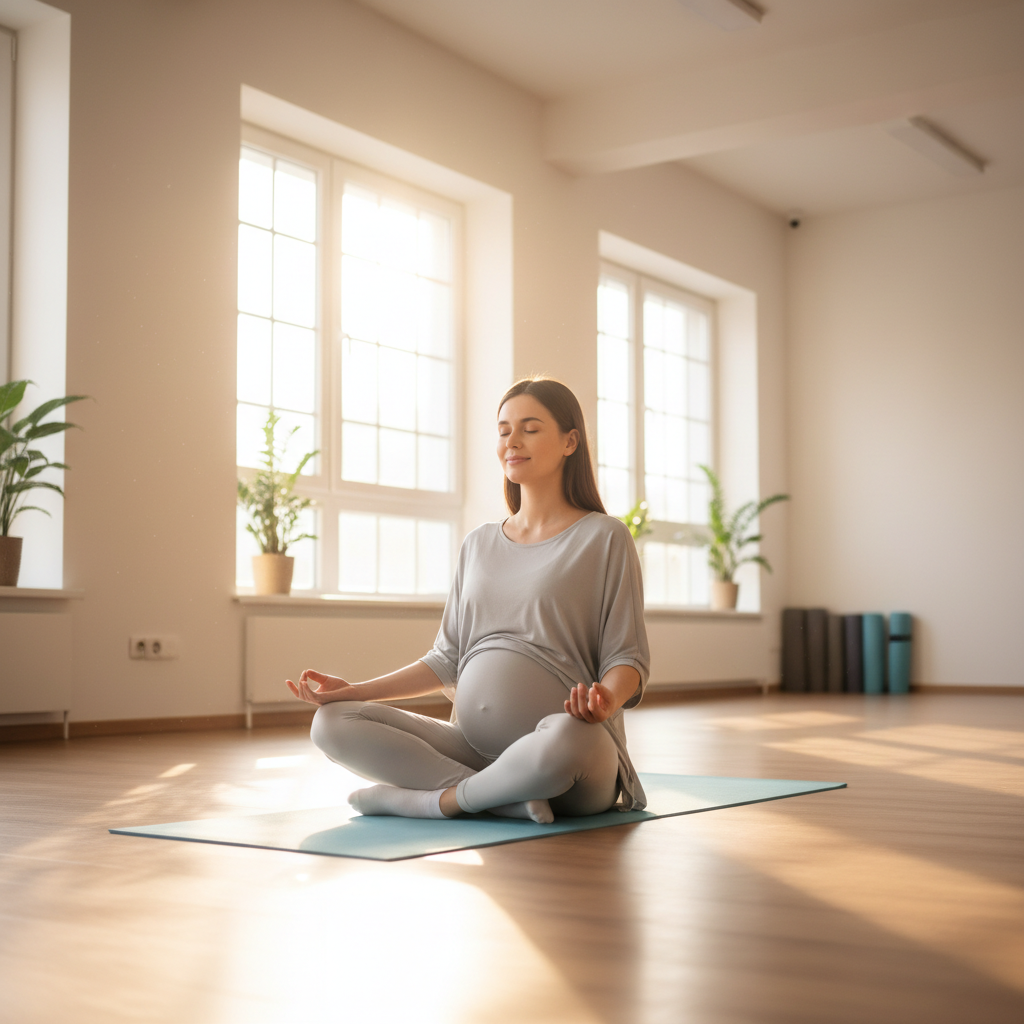
Why Exercise During Pregnancy Matters
For decades, pregnant women were advised to rest and avoid exertion. We now know this was wrong. Current guidelines from ACOG (American College of Obstetricians and Gynecologists) recommend that healthy pregnant women get at least 150 minutes of moderate-intensity aerobic activity per week — the same recommendation as for non-pregnant adults.
The benefits of exercise during pregnancy are well-documented:
- Reduced risk of gestational diabetes (by up to 27%)
- Lower rates of preeclampsia
- Reduced risk of excessive gestational weight gain
- Improved mood and reduced anxiety
- Better sleep quality
- Shorter labor duration in some studies
- Faster postpartum recovery
The key is understanding how your body changes across the three trimesters — and adapting your exercise accordingly.
How Your Body Changes: The Exercise-Relevant Physiology
Cardiovascular Changes
Your blood volume increases by 40–50% during pregnancy. Your heart rate at rest increases. Your cardiovascular system is working significantly harder than usual, which means exercise feels more intense at the same effort level. This is normal — it doesn't mean you're less fit.
Hormonal Changes (Relaxin)
Relaxin loosens ligaments throughout the body, not just in the pelvis. This increases flexibility but also increases injury risk — joints are less stable, and overstretching is easier. This is why high-impact activities and exercises requiring sudden direction changes carry higher injury risk during pregnancy.
Center of Gravity Shift
As your belly grows, your center of gravity shifts forward. This affects balance and increases the risk of falls. Activities requiring balance become progressively more challenging in the second and third trimesters.
Diastasis Recti Risk
The growing uterus stretches the rectus abdominis (the "six-pack" muscles), which can cause them to separate — a condition called diastasis recti. Certain exercises (traditional crunches, sit-ups, heavy lifting with breath-holding) can worsen this separation.
First Trimester (Weeks 1–13): Maintain and Modify
What's Happening
Fatigue and nausea are often at their worst in the first trimester. Many women find their exercise capacity significantly reduced simply because they feel terrible. This is normal and temporary.
Physically, your body doesn't look dramatically different yet, but hormonal changes are already affecting your joints and cardiovascular system.
Safe Exercises
Walking: The most accessible and consistently safe exercise throughout pregnancy. Start with 20–30 minutes at a comfortable pace and build from there.
Swimming and water aerobics: Excellent cardiovascular exercise with minimal joint stress. The buoyancy of water reduces the impact on your joints and supports your growing belly.
Prenatal yoga: Improves flexibility, strength, and body awareness. Look for classes specifically designed for pregnancy — they'll avoid poses that are contraindicated.
Cycling (stationary): Lower fall risk than outdoor cycling. Stationary bikes are safe throughout pregnancy.
Strength training (light to moderate): Maintaining muscle strength supports your body through the physical demands of pregnancy. Focus on functional movements: squats, rows, shoulder presses, and modified push-ups.
What to Modify or Avoid
- Avoid exercises that risk abdominal trauma (contact sports, activities with fall risk)
- Reduce intensity if you were previously sedentary — this isn't the time to start a new intense program
- Listen to your body: fatigue in the first trimester is real and significant
Second Trimester (Weeks 14–27): The Active Window
What's Happening
For most women, the second trimester brings a welcome return of energy as nausea subsides and hCG levels stabilize. Your belly is growing but not yet large enough to significantly limit movement. Many women find this the most comfortable trimester for exercise.
Safe Exercises
Everything from the first trimester, plus:
Prenatal Pilates: Excellent for core stability, pelvic floor strength, and posture. Modified Pilates avoids traditional crunches and focuses on deep core activation.
Low-impact aerobics: Prenatal aerobics classes, elliptical training, and low-impact dance are all appropriate.
Resistance training: Continue strength work with appropriate modifications. Avoid exercises that require lying flat on your back for extended periods (after week 20, the uterus can compress the vena cava in this position, reducing blood flow).
Pelvic floor exercises (Kegels): Not glamorous, but critically important. A strong pelvic floor supports the growing uterus, reduces incontinence risk, and aids in labor and recovery.
What to Modify
- Supine exercises: After week 20, avoid lying flat on your back for more than a few minutes. Modify to a slight incline or side-lying position.
- Balance-dependent exercises: As your belly grows, balance becomes less reliable. Use a wall or chair for support during single-leg exercises.
- High-impact activities: Running is fine if you were running before pregnancy, but listen to your body. Many women transition to walking or swimming as the belly grows.
Third Trimester (Weeks 28–40): Comfort and Preparation
What's Happening
The third trimester brings significant physical changes: a larger belly, increased weight, greater fatigue, and potential discomfort from pelvic pressure, back pain, and shortness of breath. Exercise intensity naturally decreases, and that's appropriate.
The focus shifts from performance to maintenance, comfort, and preparation for labor.
Safe Exercises
Walking: Remains excellent. Even short walks (15–20 minutes) maintain cardiovascular fitness and can help with sleep.
Swimming: Often feels wonderful in the third trimester — the water supports your belly and reduces joint pressure.
Prenatal yoga: Focus on gentle stretching, breathing techniques, and relaxation. Many prenatal yoga classes in the third trimester incorporate labor preparation techniques.
Pelvic floor exercises: Continue throughout the third trimester and into the postpartum period.
Gentle stretching: Hip flexor stretches, cat-cow, and child's pose (modified) can relieve common third-trimester discomforts.
What to Avoid
- High-impact activities with fall risk
- Heavy lifting (increases intra-abdominal pressure)
- Exercises that cause pain, shortness of breath, or dizziness
- Prolonged standing in one position
Universal Pregnancy Exercise Rules
Regardless of trimester, stop exercising and contact your healthcare provider if you experience:
- Vaginal bleeding or fluid leakage
- Regular painful contractions
- Chest pain or palpitations
- Severe shortness of breath
- Dizziness or feeling faint
- Calf pain or swelling (possible blood clot)
- Decreased fetal movement
The "Talk Test"
A simple way to gauge exercise intensity during pregnancy: you should be able to hold a conversation while exercising. If you're too breathless to speak in sentences, you're working too hard.
Exercises to Avoid Throughout Pregnancy
- Contact sports (soccer, basketball, hockey)
- Activities with high fall risk (skiing, horseback riding, gymnastics)
- Scuba diving (decompression sickness risk to fetus)
- Hot yoga or exercise in excessive heat (core temperature elevation is a concern)
- Traditional crunches and sit-ups (diastasis recti risk)
- Heavy breath-holding during lifts (Valsalva maneuver increases intra-abdominal pressure)
Getting Started If You Weren't Active Before
Pregnancy is actually a good time to start exercising if you weren't previously active — with appropriate caution. Start with:
- 10–15 minute walks, 3–4 times per week
- Gradually increase duration by 5 minutes per week
- Add gentle stretching and pelvic floor exercises
Avoid starting any high-intensity program during pregnancy. The goal is moderate, consistent activity — not athletic performance.
*This content is for educational purposes only and does not constitute medical advice. Always consult your healthcare provider before starting or modifying an exercise program during pregnancy.*
Recommended Products
Amazon Picks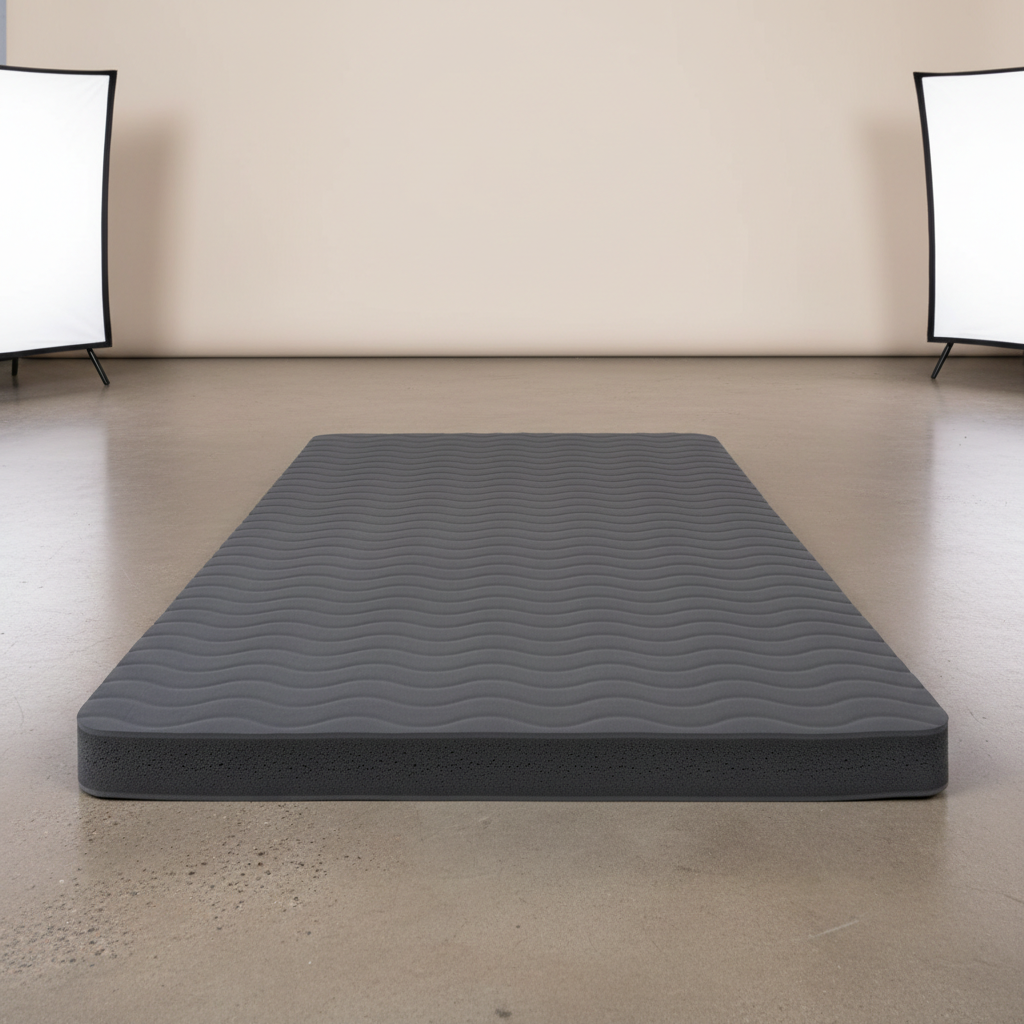
Gaiam Premium Thick Yoga Mat
Extra cushioning and non-slip surface ideal for prenatal yoga and floor exercises
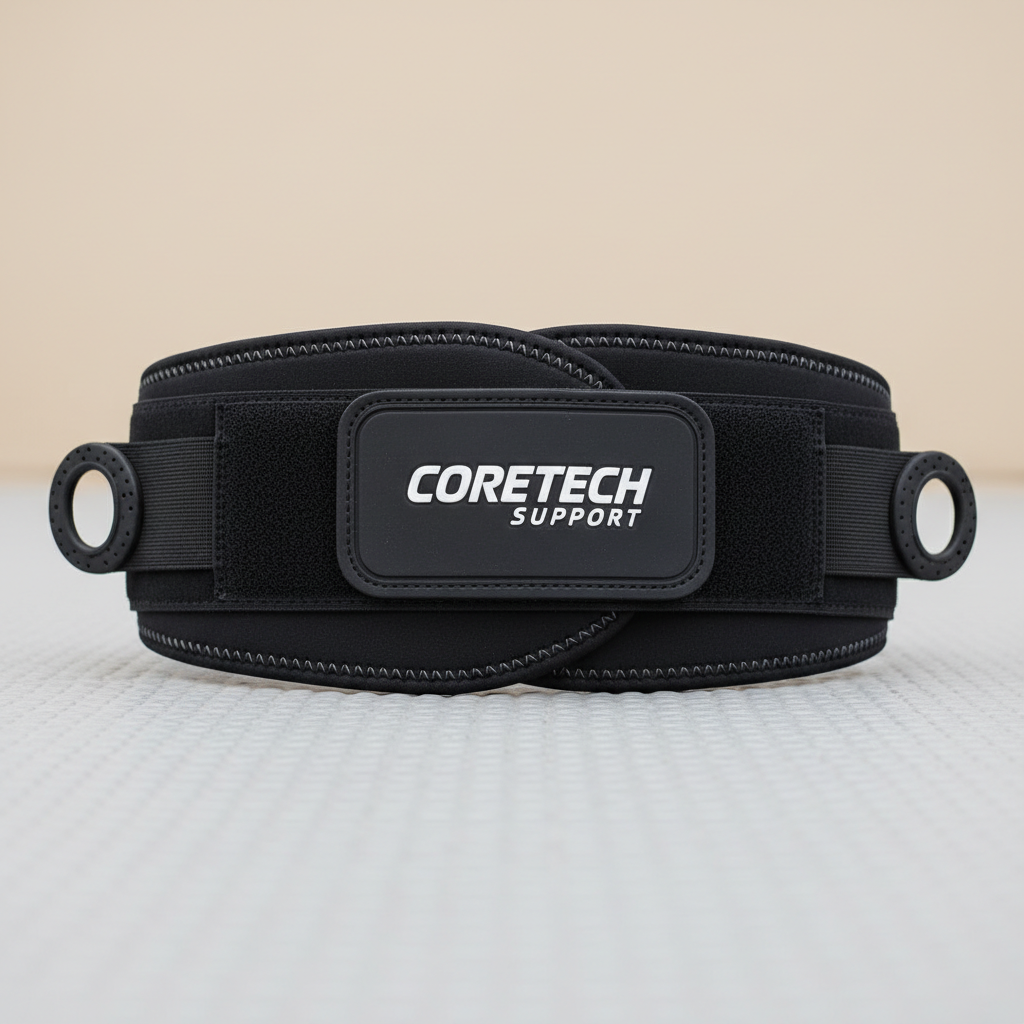
Gabrialla Maternity Support Belt
Provides belly and lower back support during walks, light workouts, and daily activity
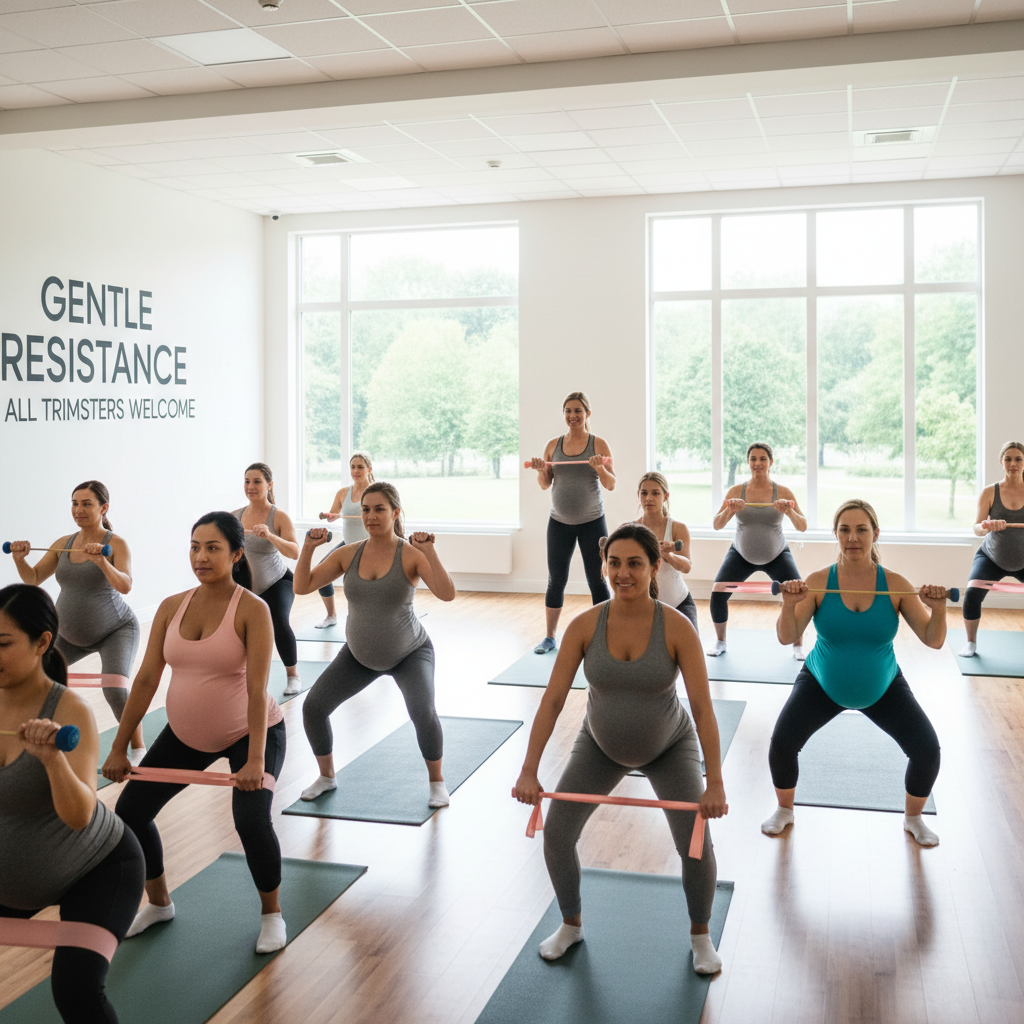
TheraBand Resistance Bands Set
Gentle resistance training safe for all trimesters — no heavy weights needed
* Affiliate links — we may earn a small commission at no extra cost to you.
Comments (2)
As a first-time mom, articles like this make such a difference. Thank you for making it so approachable.
Finally a resource that does not talk down to you. Informative and respectful at the same time.