
Why Morning Sickness Happens: The Hormonal Logic
Morning sickness is one of the most common, and most misunderstood, symptoms of early pregnancy. Despite the name, it can strike at any time of day. And despite being called "sickness," it's actually a sign that your pregnancy hormones are doing exactly what they should.
Understanding the biology behind nausea helps you manage it more effectively and feel less helpless when it hits.
The hCG and Estrogen Connection
Two hormones are primarily responsible for morning sickness:
Human Chorionic Gonadotropin (hCG)
hCG is the hormone produced by the developing placenta. It's essential for maintaining the uterine lining and supporting the developing embryo, but it's also a powerful sedative.
Rising hCG levels cause:
- Extreme daytime fatigue (many women describe it as "narcoleptic" tiredness)
- Increased total sleep time
- Fragmented nighttime sleep (more awakenings)
- Vivid, sometimes disturbing dreams
Paradoxically, you may feel exhausted all day but sleep poorly at night. This is because hCG increases the proportion of light sleep (NREM stage 1 and 2) at the expense of deep, restorative sleep (NREM stage 3 and REM).
First Trimester: Progesterone Fatigue
Progesterone is the dominant hormone of early pregnancy. It's essential for maintaining the uterine lining and supporting the developing embryo — but it's also a powerful sedative.
Rising progesterone levels cause:
- Extreme daytime fatigue (many women describe it as "narcoleptic" tiredness)
- Increased total sleep time
- Fragmented nighttime sleep (more awakenings)
- Vivid, sometimes disturbing dreams
Paradoxically, you may feel exhausted all day but sleep poorly at night. This is because progesterone increases the proportion of light sleep (NREM stage 1 and 2) at the expense of deep, restorative sleep (NREM stage 3 and REM).
Estrogen
Estrogen levels also rise dramatically in early pregnancy. Estrogen is known to heighten the sense of smell, which may explain why many pregnant women develop sudden, intense aversions to foods or scents that were previously neutral. This heightened olfactory sensitivity can trigger nausea even when hCG levels aren't the direct cause.
Why Symptoms Peak Early
Both hCG and estrogen peak in the first trimester, which is why morning sickness is typically worst between weeks 6–10 and improves significantly by weeks 14–16 for most women. The placenta takes over hormone production from the corpus luteum around this time, and levels stabilize.
Real Solutions vs. Myths
What Actually Works
Small, Frequent Meals
An empty stomach makes nausea worse. Stomach acid with nothing to buffer it irritates the stomach lining and can trigger the vomiting reflex. Eating small amounts every 2–3 hours keeps blood sugar stable and gives stomach acid something to work with.
Protein Before Bed
A small protein-rich snack before sleep (nuts, cheese, a hard-boiled egg) can help stabilize blood sugar overnight, reducing the severity of morning nausea when you wake up.
Ginger
Ginger has genuine, evidence-backed anti-nausea properties. Multiple clinical trials have shown that ginger supplementation (typically 250mg capsules, 4 times daily) reduces nausea and vomiting in pregnancy. It works by blocking serotonin receptors in the brain that trigger the vomiting reflex.
Forms that work:
- Ginger capsules (most studied)
- Ginger tea
- Crystallized ginger
- Ginger chews
Vitamin B6 (Pyridoxine)
Vitamin B6 is one of the few supplements with strong clinical evidence for morning sickness relief. The standard dose used in studies is 10–25mg, three times daily. It's considered safe in pregnancy and is actually the active ingredient in Diclegis/Bonjesta (the FDA-approved morning sickness medication), combined with doxylamine.
Acupressure (P6 Point)
The P6 (Neiguan) acupressure point, located on the inner wrist about three finger-widths below the wrist crease, has been shown in multiple studies to reduce nausea. Acupressure wristbands (like Sea-Bands) apply continuous pressure to this point and are safe, drug-free, and available over the counter.
Hydration
Dehydration worsens nausea. If drinking large amounts of water triggers nausea, try:
- Small sips throughout the day rather than large amounts at once
- Ice chips or frozen fruit
- Electrolyte drinks (without artificial sweeteners)
- Herbal teas (ginger, peppermint, spearmint)
What Doesn't Work (Myths)
"Just eat crackers"
Plain crackers may provide mild relief by absorbing stomach acid, but they're not a solution — they're a temporary buffer. The carbohydrate-only approach also does nothing for blood sugar stability.
"It's all in your head"
Morning sickness has clear hormonal and physiological causes. The nausea is real, measurable, and correlated with specific hormone levels. Dismissing it as psychological is both inaccurate and unhelpful.
"Ginger ale helps"
Most commercial ginger ale contains negligible amounts of actual ginger. The carbonation may provide brief relief, but it's not a therapeutic dose of ginger. Real ginger — in capsule, tea, or food form — is far more effective.
When Morning Sickness Becomes Hyperemesis Gravidarum
For most women, morning sickness is uncomfortable but manageable. For approximately 1–2% of pregnant women, it becomes a serious medical condition called hyperemesis gravidarum (HG).
Signs that you need medical attention:
- Vomiting more than 3–4 times per day
- Unable to keep any food or liquid down for 24+ hours
- Signs of dehydration (dark urine, dizziness, rapid heartbeat)
- Weight loss of more than 5% of pre-pregnancy body weight
- Blood in vomit
HG is not a willpower issue — it's a medical condition that often requires IV fluids, anti-nausea medications, and sometimes hospitalization. If you're experiencing these symptoms, contact your healthcare provider immediately.
Trimester Timeline: When to Expect Relief
- Weeks 4–6: Nausea typically begins as hCG starts rising
- Weeks 6–10: Peak severity for most women
- Weeks 10–14: Gradual improvement as hCG levels plateau
- Week 14–16: Most women experience significant relief
- After week 20: Persistent nausea beyond this point warrants medical evaluation
Daily Strategies That Actually Work
Sleep Hygiene
Good sleep hygiene is more important than ever during pregnancy. Sleep is when your body repairs and recovers. If you're not sleeping well, you're not functioning well.
Consistent sleep and wake times: Your circadian rhythm is more sensitive during pregnancy. Irregular schedules worsen sleep quality.
Cool, dark room: Pregnancy raises your core body temperature slightly. A cooler room (65–68°F) promotes better sleep.
Limit screens before bed: Blue light suppresses melatonin. Aim for 30–60 minutes of screen-free time before sleep.
Napping
Napping is not a sign of weakness — it's a physiological necessity for many pregnant women, particularly in the first and third trimesters. Short naps (20–30 minutes) are most effective. Longer naps can interfere with nighttime sleep.
Food Timing
- Eat small meals every 2–3 hours to keep blood sugar stable
- Avoid large meals close to bedtime (reduce heartburn risk)
- Keep snacks handy (small protein-rich snacks before bed)
- Identify your trigger foods (avoid them in the evening)
Activity Level
Exercise improves circulation, which helps with nausea. But listen to your body. If you're feeling too exhausted to exercise, that's okay. The goal is moderate activity that doesn't drain you.
Mental Health
Morning sickness is not just a physical issue. It's emotional, stressful, and can impact your mood. Consider:
- Breathing exercises to calm your nervous system
- Mindfulness meditation to reduce anxiety
- Pregnancy support groups to connect with others experiencing similar challenges
When to Call Your Doctor
Contact your healthcare provider if you experience:
- Severe, constant nausea that doesn't improve with rest or food
- Vomiting more than 3–4 times per day
- Unable to keep any food or liquid down for 24+ hours
- Signs of dehydration (dark urine, dizziness, rapid heartbeat)
- Weight loss of more than 5% of pre-pregnancy body weight
- Blood in vomit
Tools to Help You Track
Use our Due Date Calculator to track your pregnancy week and understand when morning sickness is likely to improve. Knowing you're at week 8 — the typical peak — can make the discomfort feel more manageable.
*This content is for educational purposes only and does not constitute medical advice. If you're experiencing severe nausea or vomiting during pregnancy, consult your healthcare provider.*
Recommended Products
Amazon Picks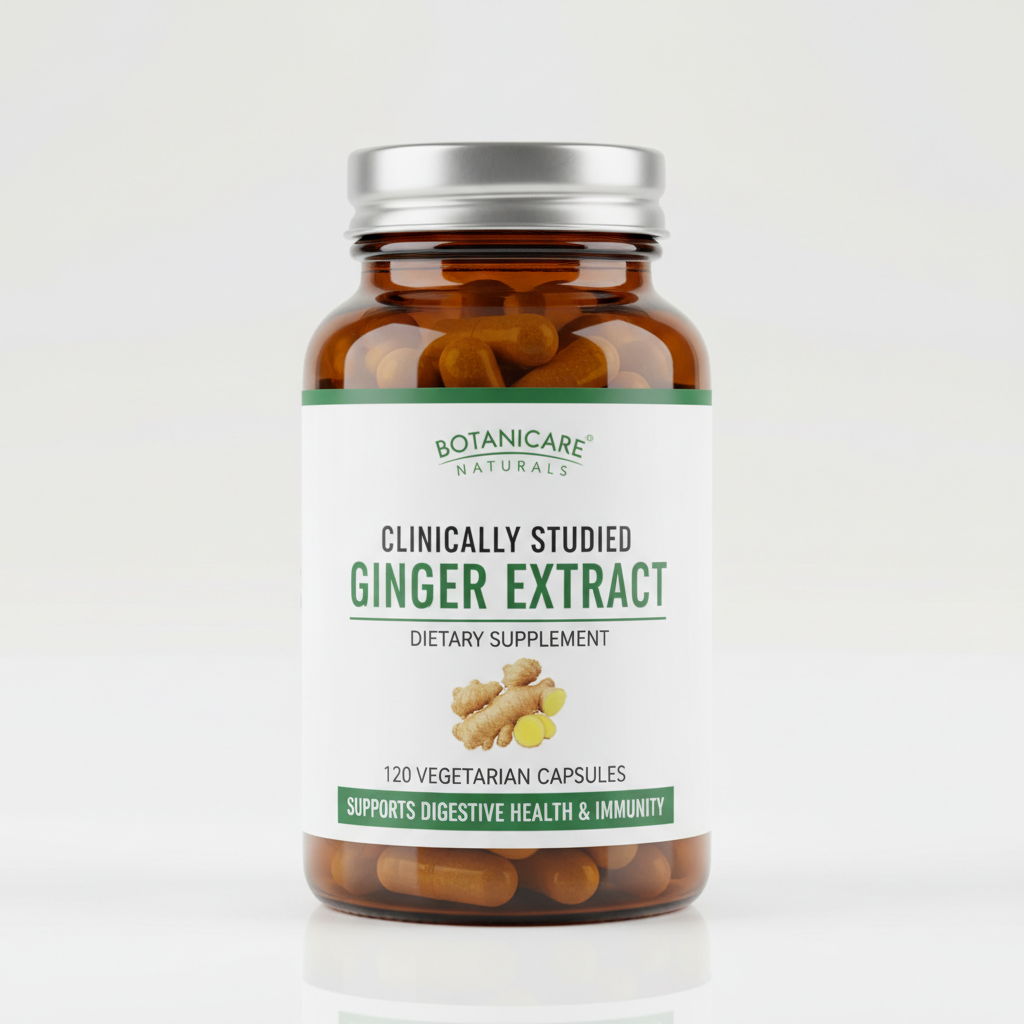
Pink Stork Morning Sickness Ginger Capsules
Clinically studied ginger extract to reduce pregnancy nausea naturally

Sea-Band Mama Acupressure Wristbands
Drug-free nausea relief using P6 acupressure point, safe for all trimesters

Earth Mama Organic Morning Wellness Tea
Caffeine-free herbal blend with ginger and spearmint for gentle nausea relief
* Affiliate links — we may earn a small commission at no extra cost to you.
Comments (3)
I was so anxious about this topic and this article calmed me down completely. Thank you!
I wish I had read this before my first IVF cycle. The information about cumulative success rates is so important.
The comparison table was a game-changer. I finally understand the differences between the options.