
The Sleep-Pregnancy Connection
Sleep during pregnancy is both more important and more difficult than at almost any other time in life. Your body is performing extraordinary physiological work — building a placenta, expanding blood volume by 40–50%, growing an entirely new human — and sleep is when much of this repair and development happens.
At the same time, the very hormones driving this growth are disrupting your ability to sleep. Understanding this paradox helps you approach pregnancy sleep with realistic expectations and effective strategies.
How Much Sleep Do You Actually Need?
The National Sleep Foundation recommends 7–9 hours per night for adults. During pregnancy, most healthcare providers recommend 8–10 hours, with additional rest during the day if needed.
This isn't just a comfort recommendation — it has real health implications. Research has linked insufficient sleep during pregnancy to:
- Increased risk of gestational diabetes
- Higher rates of preeclampsia
- Longer labor duration
- Higher rates of cesarean delivery
- Increased risk of preterm birth
The first and third trimesters tend to require the most sleep. The second trimester often brings a welcome improvement in sleep quality as first-trimester nausea subsides and the belly isn't yet large enough to cause significant discomfort.
Why Pregnancy Disrupts Sleep: The Hormonal Logic
First Trimester: Progesterone Fatigue
Progesterone is the dominant hormone of early pregnancy. It's essential for maintaining the uterine lining and supporting the developing embryo — but it's also a powerful sedative.
Rising progesterone levels cause:
- Extreme daytime fatigue (many women describe it as "narcoleptic" tiredness)
- Increased total sleep time
- Fragmented nighttime sleep (more awakenings)
- Vivid, sometimes disturbing dreams
Paradoxically, you may feel exhausted all day but sleep poorly at night. This is because progesterone increases the proportion of light sleep (NREM stage 1 and 2) at the expense of deep, restorative sleep (NREM stage 3 and REM).
First Trimester: Frequent Urination
Rising hCG levels increase kidney filtration rate, and the growing uterus begins pressing on the bladder even before it's visibly enlarged. Most women in the first trimester wake 1–3 times per night to urinate.
Second Trimester: The Relative Calm
For most women, sleep improves in the second trimester. Progesterone levels stabilize, nausea subsides, and the uterus rises out of the pelvis (reducing bladder pressure). Many women report their best sleep of the pregnancy during weeks 14–27.
Third Trimester: Physical Disruption
The third trimester brings a new set of sleep challenges:
Physical discomfort: A large belly makes finding a comfortable position difficult. Hip pain from lying on one side, back pain, and rib pressure are common.
Heartburn: Progesterone relaxes the lower esophageal sphincter, allowing stomach acid to reflux. This is worse when lying down and often peaks in the third trimester.
Restless Legs Syndrome (RLS): An uncomfortable urge to move the legs, typically worse at night. Affects approximately 20–30% of pregnant women, particularly in the third trimester. Often linked to iron deficiency — discuss with your provider.
Frequent urination returns: The baby's head descends into the pelvis in late pregnancy, again pressing on the bladder.
Anxiety and anticipation: As the due date approaches, many women experience increased anxiety about labor, delivery, and new parenthood — which disrupts sleep.
Sleep Positions: What the Research Says
The Left Side Recommendation
You've likely heard that sleeping on your left side is recommended during pregnancy. Here's the science behind it:
The inferior vena cava — the large vein that returns blood from the lower body to the heart — runs along the right side of the spine. When you lie on your back (particularly after week 20), the weight of the uterus can compress this vein, reducing blood flow to the heart and placenta.
Left-side sleeping:
- Optimizes blood flow to the placenta
- Reduces pressure on the vena cava
- Improves kidney function (better waste filtration)
- Reduces swelling in legs and feet
What If You Wake Up on Your Back?
This is one of the most common sources of anxiety for pregnant women. The evidence is reassuring: if you wake up on your back, simply roll to your side. Your body will typically alert you (through discomfort or dizziness) before any significant blood flow reduction occurs.
A 2019 study in the British Medical Journal found an association between back sleeping in late pregnancy and stillbirth risk, but the absolute risk remains very low. The recommendation is to try to sleep on your side — not to panic if you wake up in another position.
Using a Pregnancy Pillow
A full-body pregnancy pillow (like the Snoogle or similar C-shaped or U-shaped designs) can significantly improve sleep comfort by:
- Supporting the belly from below
- Keeping the knees separated (reducing hip pressure)
- Preventing rolling onto your back
- Supporting the upper arm and shoulder
Many women find a pregnancy pillow transformative for sleep quality in the second and third trimesters.
Practical Strategies for Better Sleep
Sleep Hygiene Basics (More Important Than Ever)
- Consistent sleep and wake times: Your circadian rhythm is more sensitive during pregnancy. Irregular schedules worsen sleep quality.
- Cool, dark room: Pregnancy raises your core body temperature slightly. A cooler room (65–68°F) promotes better sleep.
- Limit screens before bed: Blue light suppresses melatonin. Aim for 30–60 minutes of screen-free time before sleep.
- Avoid large meals close to bedtime: Reduces heartburn risk.
Managing Heartburn at Night
- Eat smaller meals throughout the day
- Avoid lying down within 2–3 hours of eating
- Elevate the head of your bed slightly (a wedge pillow works well)
- Avoid trigger foods in the evening (spicy, fatty, acidic foods)
Managing Frequent Urination
- Reduce fluid intake in the 2 hours before bed (but don't restrict overall hydration during the day)
- Empty your bladder completely before sleep
- Keep a path to the bathroom clear and lit for safe nighttime navigation
Napping
Napping is not a sign of weakness — it's a physiological necessity for many pregnant women, particularly in the first and third trimesters. Short naps (20–30 minutes) are most effective. Longer naps can interfere with nighttime sleep.
When to Talk to Your Doctor
Contact your healthcare provider if you experience:
- Loud snoring or gasping during sleep (possible sleep apnea — more common in pregnancy and associated with complications)
- Severe restless legs that significantly disrupt sleep (may indicate iron deficiency)
- Persistent insomnia despite good sleep hygiene
- Excessive daytime sleepiness that interferes with daily function
Tools to Help You Track
Use our Due Date Calculator to track your pregnancy week and understand when morning sickness is likely to improve. Knowing you're at week 8 — the typical peak — can make the discomfort feel more manageable.
*This content is for educational purposes only and does not constitute medical advice. If you're experiencing severe nausea or vomiting during pregnancy, consult your healthcare provider.*
Recommended Products
Amazon Picks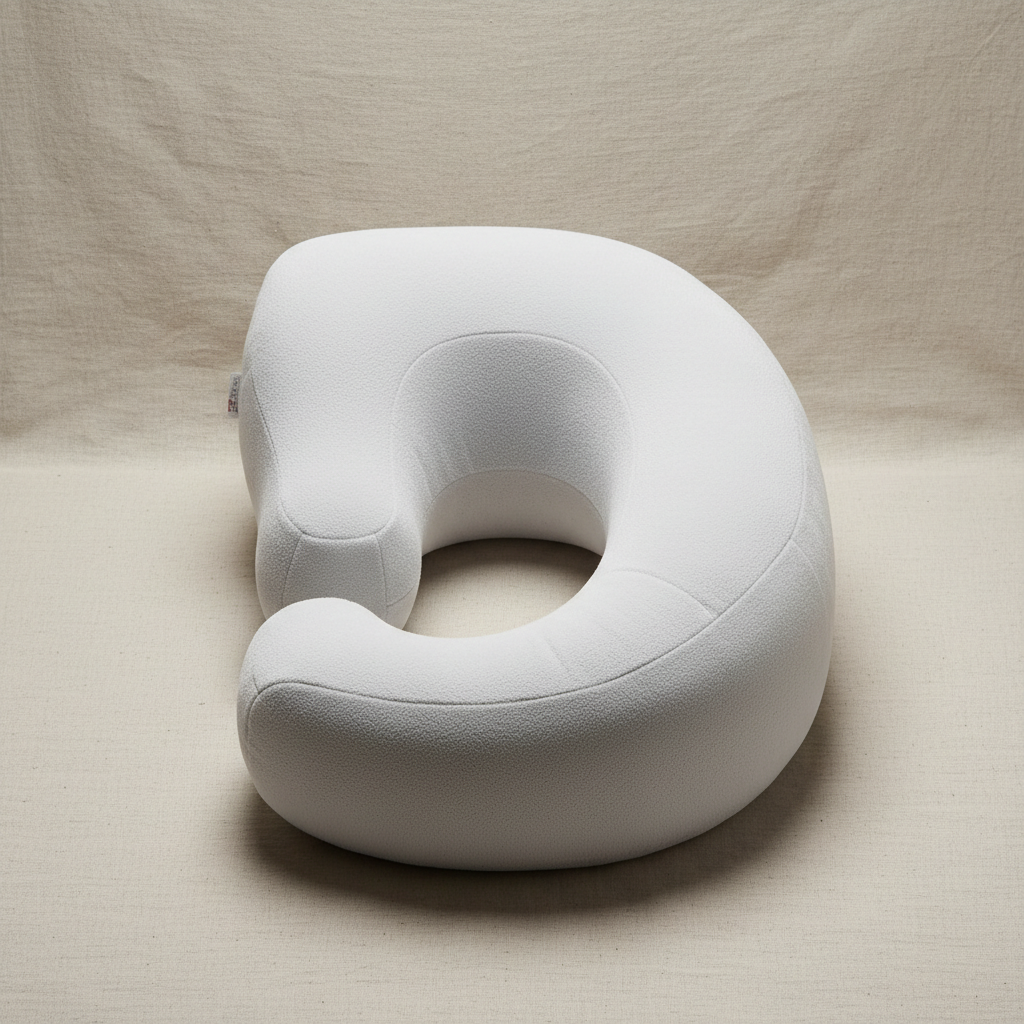
Leachco Snoogle Total Body Pregnancy Pillow
Full-body support pillow that keeps you in the recommended side-sleeping position all night
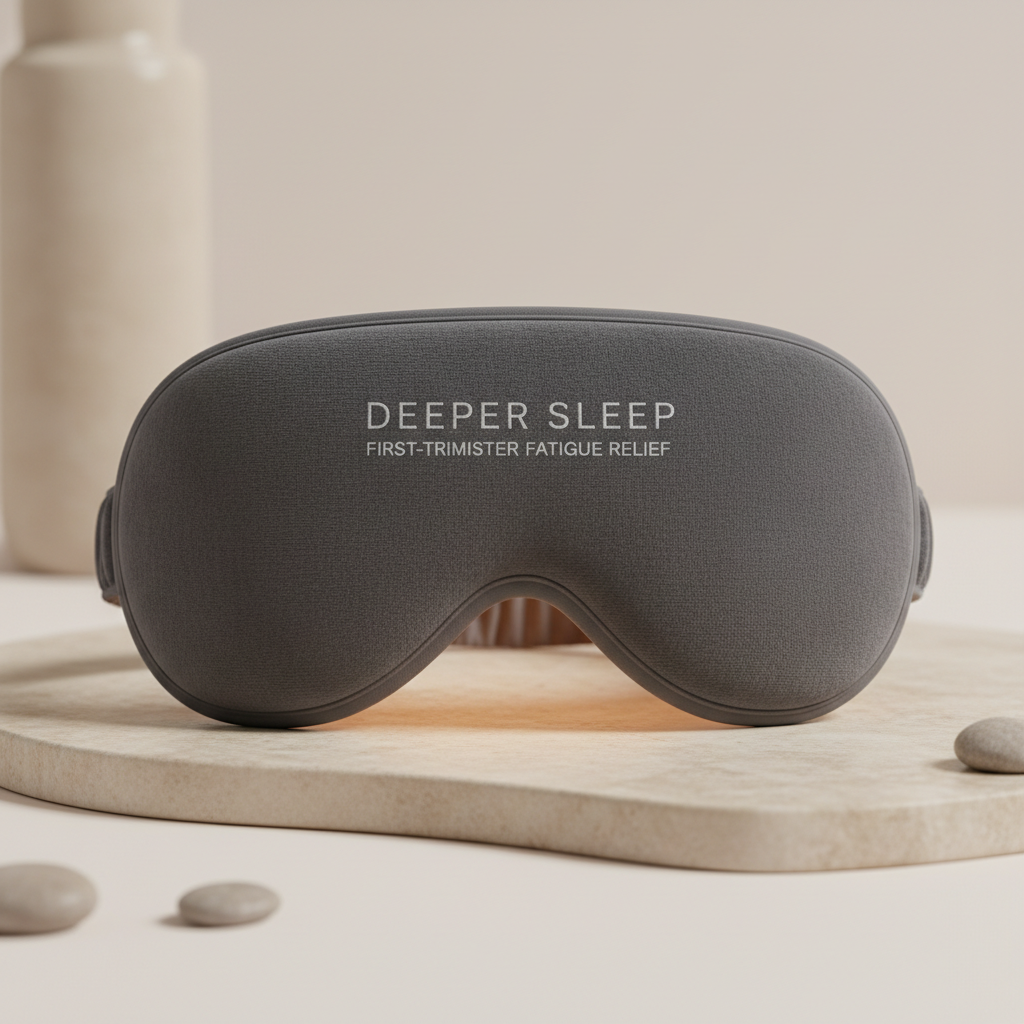
Alaska Bear Natural Silk Sleep Mask
Blocks light completely for deeper sleep — especially helpful during first-trimester fatigue
LectroFan White Noise Machine
Consistent white noise to mask disturbances and improve sleep depth without nature sounds
* Affiliate links — we may earn a small commission at no extra cost to you.
Comments (2)
My OB recommended I look into this topic and this article answered every question I had. Bookmarked!
Shared this with my sister who is 12 weeks along. She found it incredibly reassuring.