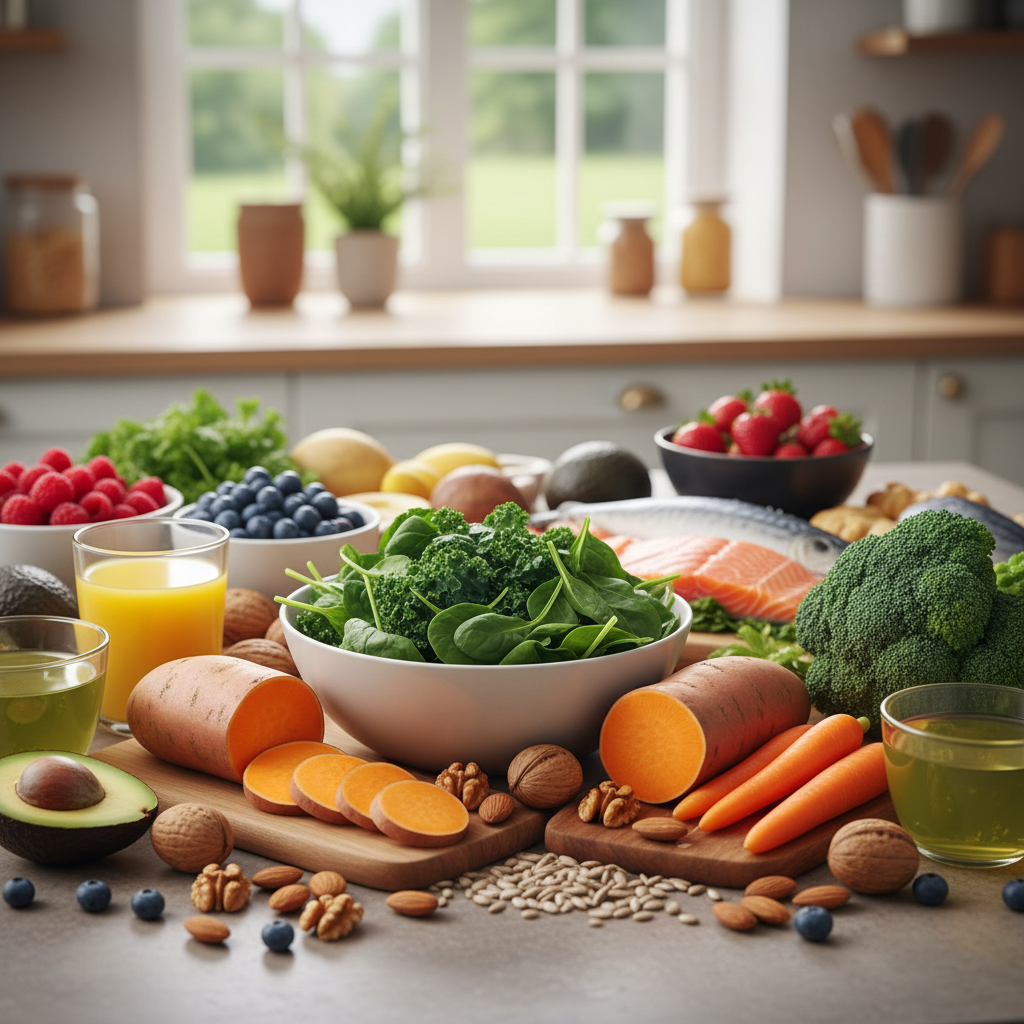
Why Pregnancy Changes Your Relationship with Food
Pregnancy fundamentally alters your immune system. To prevent your body from rejecting the fetus (which is genetically foreign), your immune response is deliberately suppressed during pregnancy. This is a remarkable biological adaptation — but it comes with a trade-off: you're more vulnerable to certain foodborne pathogens than you were before pregnancy.
At the same time, some substances that your body could previously filter or tolerate can cross the placenta and affect your developing baby. Understanding the *why* behind food safety guidelines makes them easier to follow — and helps you make informed decisions rather than just following a list.
The Three Main Risks
1. Bacterial Contamination
Listeria monocytogenes is the primary bacterial concern in pregnancy. Here's why it's particularly dangerous:
- Listeria can grow at refrigerator temperatures (unlike most bacteria)
- Pregnant women are approximately 10 times more likely to get listeriosis than the general population
- Listeria can cross the placenta and infect the fetus, potentially causing miscarriage, stillbirth, or serious newborn illness
- Symptoms in the mother may be mild (flu-like) while the fetus is severely affected
Salmonella and E. coli are also concerns, particularly from raw or undercooked animal products. While these don't cross the placenta as readily as Listeria, severe illness in the mother can cause dehydration and fever that indirectly harm the pregnancy.
2. Mercury Contamination
Mercury accumulates in fish tissue through a process called biomagnification — larger, longer-lived fish accumulate more mercury from the smaller fish they eat. In the body, mercury converts to methylmercury, which:
- Crosses the placenta easily
- Accumulates in fetal brain tissue
- Can cause neurological damage, particularly to the developing nervous system
The risk is dose-dependent and cumulative. Occasional exposure to low-mercury fish is safe and beneficial (fish provides important omega-3 fatty acids). The concern is with high-mercury species consumed regularly.
3. Immune System Changes
Beyond specific pathogens, pregnancy-related immune suppression means your body is less effective at fighting off foodborne illness in general. Illnesses that might cause 24 hours of discomfort in a non-pregnant person can become serious complications during pregnancy.
Foods to Avoid: The Complete List
Raw and Undercooked Meat
Why: Risk of Toxoplasma gondii, Salmonella, E. coli, and Listeria.
Avoid:
- Rare or medium-rare beef, lamb, or pork
- Raw or undercooked poultry
- Deli meats and hot dogs (unless heated until steaming — Listeria can survive refrigeration)
- Pâté and meat spreads (unless canned/shelf-stable)
Safe alternative: Cook all meat to safe internal temperatures. Use a food thermometer — color alone is not a reliable indicator of doneness.
Raw Seafood
Why: Risk of Vibrio bacteria, Listeria, and various parasites.
Avoid:
- Raw oysters, clams, and mussels
- Sushi and sashimi (raw fish)
- Ceviche (acid-marinated but not heat-cooked)
- Raw or smoked seafood (smoked salmon, lox)
Safe alternative: Fully cooked seafood is safe and nutritious. Sushi rolls made with cooked ingredients (shrimp tempura, California rolls with imitation crab) are generally fine.
High-Mercury Fish
Why: Methylmercury accumulation causes fetal neurological damage.
Avoid entirely:
- Shark
- Swordfish
- King mackerel
- Tilefish (Gulf of Mexico)
- Bigeye tuna
Limit to 1 serving/week:
- Albacore (white) canned tuna
- Yellowfin tuna
- Grouper
- Halibut
Safe to eat 2–3 servings/week:
- Salmon (wild or farmed)
- Sardines
- Shrimp
- Tilapia
- Catfish
- Light canned tuna
- Cod
Unpasteurized Dairy and Juices
Why: Unpasteurized products can harbor Listeria, Salmonella, and E. coli.
Avoid:
- Raw (unpasteurized) milk
- Soft cheeses made from unpasteurized milk: Brie, Camembert, feta, queso fresco, queso blanco, panela (unless labeled "made with pasteurized milk")
- Unpasteurized juices and ciders
Safe alternative: Pasteurized versions of all the above are safe. Hard cheeses (cheddar, Swiss, parmesan) are safe regardless of pasteurization status.
Raw Eggs
Why: Risk of Salmonella.
Avoid:
- Raw cookie dough or cake batter
- Homemade Caesar dressing, hollandaise, or béarnaise sauce
- Homemade eggnog
- Soft-scrambled or runny eggs (yolk not fully set)
Safe alternative: Pasteurized eggs are safe for preparations that don't involve full cooking. Commercially prepared Caesar dressings and mayonnaise use pasteurized eggs.
Unwashed Produce
Why: Soil and water contamination can introduce Toxoplasma, E. coli, and Listeria.
Practice: Wash all fruits and vegetables thoroughly under running water, even if you plan to peel them (cutting through unwashed skin can transfer contaminants to the flesh). Use a produce brush for firm-skinned items.
Sprouts
Why: The warm, humid conditions needed to grow sprouts are ideal for bacterial growth. Sprouts have been linked to multiple Salmonella and E. coli outbreaks.
Avoid: Raw alfalfa, clover, radish, and mung bean sprouts.
Safe alternative: Cooked sprouts are safe.
Caffeine: How Much Is Safe?
Caffeine crosses the placenta, and the fetus metabolizes it much more slowly than adults. High caffeine intake has been associated with increased miscarriage risk and low birth weight.
Current guidance (ACOG): Limit caffeine to 200mg per day during pregnancy.
Approximate caffeine content:
- 8 oz brewed coffee: 95–165mg
- 8 oz black tea: 47mg
- 12 oz cola: 34mg
- 1 oz dark chocolate: 12mg
One moderate cup of coffee per day is generally considered safe. Energy drinks often contain much higher caffeine levels and should be avoided.
Alcohol: No Safe Amount
The CDC, ACOG, and WHO all recommend complete avoidance of alcohol during pregnancy. Alcohol crosses the placenta freely and can cause fetal alcohol spectrum disorders (FASDs) — a range of permanent developmental and cognitive impairments. There is no established safe level of alcohol consumption during pregnancy.
Food Safety Practices That Matter
Beyond avoiding specific foods, these practices reduce overall risk:
- Refrigerate promptly: Bacteria multiply rapidly between 40°F and 140°F. Refrigerate leftovers within 2 hours.
- Separate raw and cooked foods: Use separate cutting boards and utensils for raw meat and produce.
- Cook to safe temperatures: Use a food thermometer. Poultry: 165°F. Ground meat: 160°F. Whole cuts: 145°F.
- Wash hands frequently: Before and after handling food, especially raw meat.
A Note on Anxiety
Food safety guidelines during pregnancy can feel overwhelming. It's worth keeping perspective: the goal is risk reduction, not zero risk. Occasional exposure to most of these foods is unlikely to cause harm. The guidelines are designed for regular consumption patterns.
If you've eaten something on the "avoid" list before knowing you were pregnant, don't panic — talk to your healthcare provider. They can help you assess the actual risk based on what you ate and when.
*This content is for educational purposes only and does not constitute medical advice. Dietary decisions during pregnancy should be made in consultation with your healthcare provider.*
Recommended Products
Amazon Picks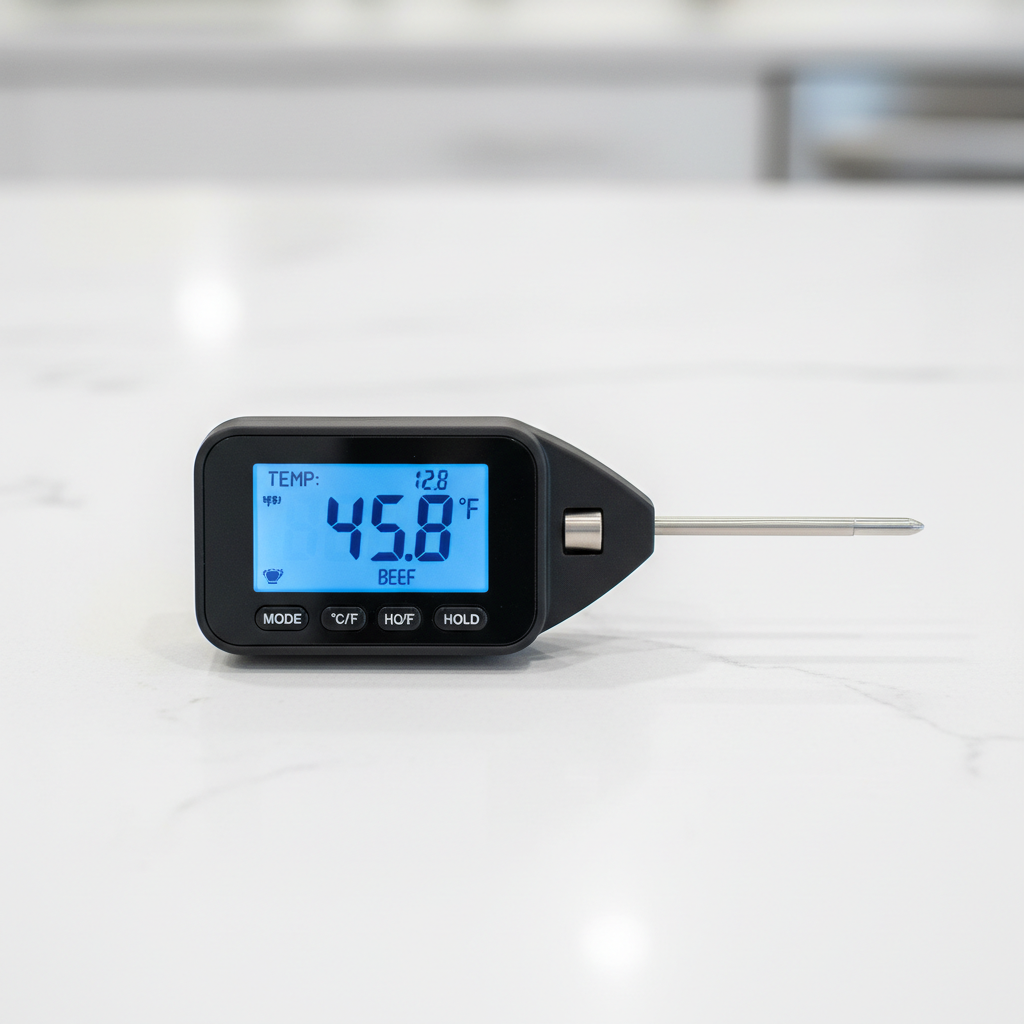
ThermoPro Digital Meat Thermometer
Instant-read accuracy to ensure meats reach safe internal temperatures every time
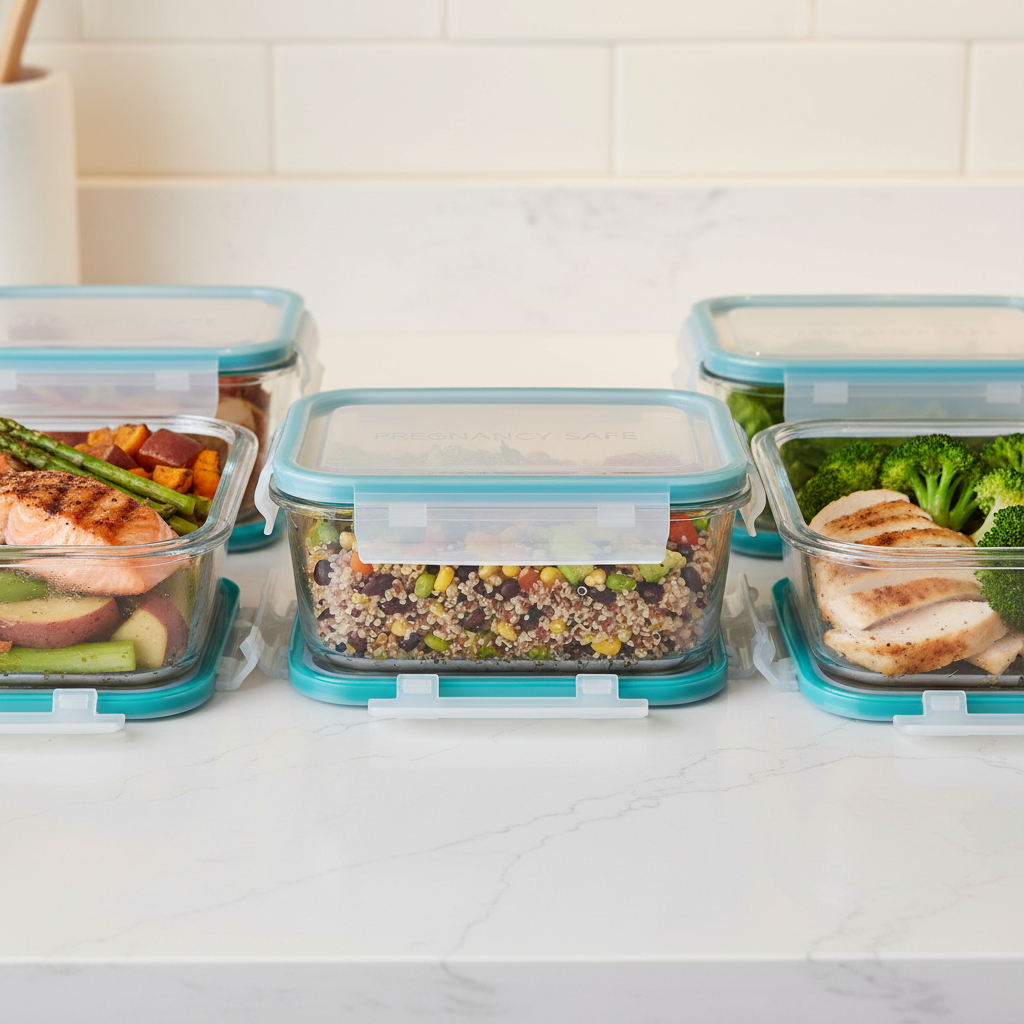
Rubbermaid Brilliance Food Storage Containers
Airtight, leak-proof containers to safely store pregnancy-safe meal preps
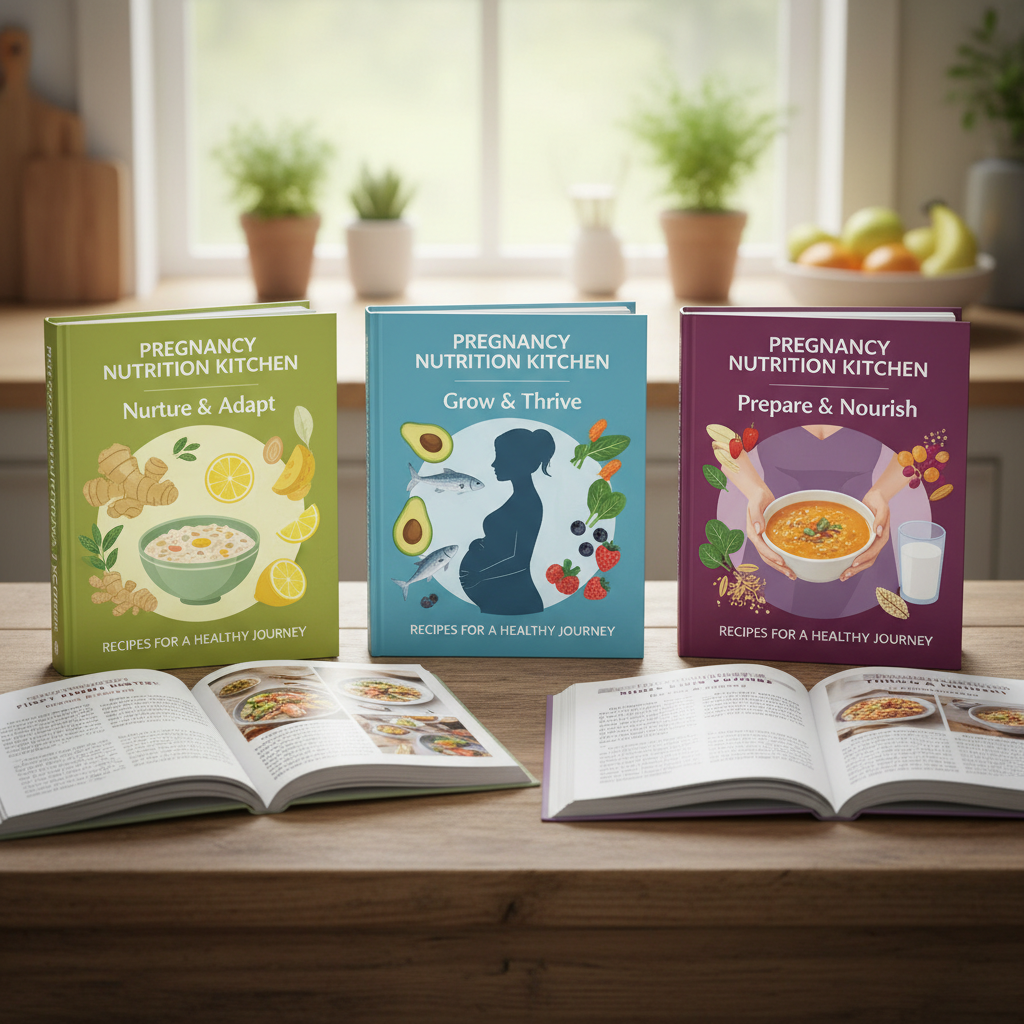
The Whole Nine Months Pregnancy Cookbook
Trimester-by-trimester recipes designed specifically for pregnancy nutrition needs
* Affiliate links — we may earn a small commission at no extra cost to you.
Comments (3)
The FAQ section at the end was super useful. Answered questions I did not even know I had.
My OB recommended I look into this topic and this article answered every question I had. Bookmarked!
Shared this with my sister who is 12 weeks along. She found it incredibly reassuring.