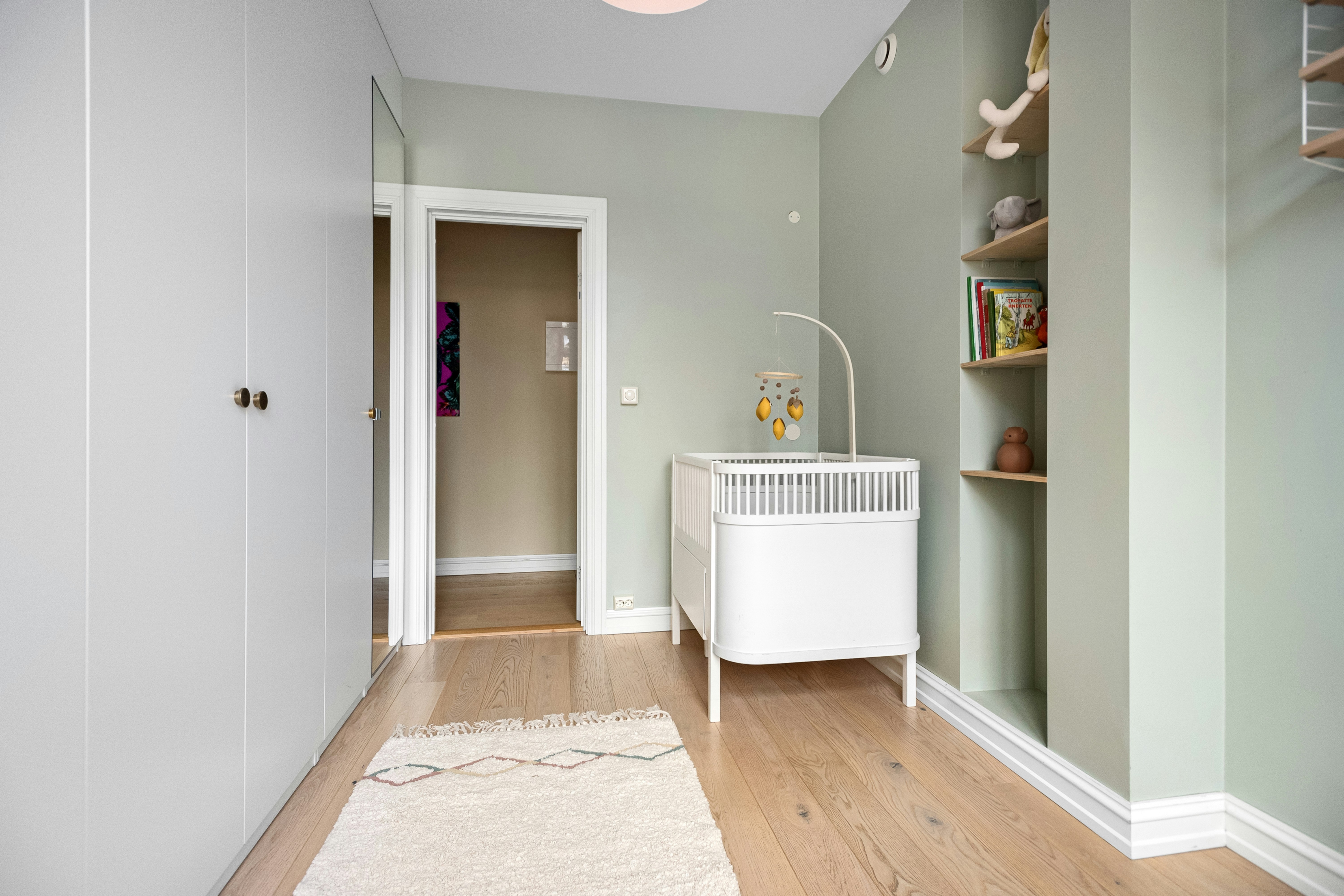
Why Non-Toxic Baby Gear Matters More Than You Think
Newborns spend up to 16–18 hours a day sleeping. Their developing lungs, skin, and nervous system are in direct, prolonged contact with whatever their sleep environment is made of. This is why the materials in a crib mattress, and the chemicals they may off-gas, deserve serious attention.
The problem is that the baby product market is saturated with vague, unregulated marketing terms. "Natural," "organic," "eco-friendly," and "green" can mean almost anything, or nothing at all. Understanding what certifications actually require is the only reliable way to evaluate these products.
Understanding VOCs and Off-Gassing
VOCs (Volatile Organic Compounds) are chemicals that evaporate at room temperature and can be inhaled. They're found in many common materials:
- Polyurethane foam (the core of most conventional mattresses)
- Flame retardants (added to meet flammability standards)
- Adhesives and binders
- Waterproofing treatments
- Synthetic fabrics and dyes
Some VOCs are relatively harmless. Others, including formaldehyde, benzene, and certain flame retardant compounds, are associated with respiratory irritation, endocrine disruption, and in high concentrations, more serious health effects.
Off-gassing is the process by which these chemicals are released into the air over time. New mattresses typically off-gas most heavily in the first weeks after manufacture, which is why some parents air out new mattresses before use.
Babies are particularly vulnerable because:
- They breathe faster than adults (more air volume relative to body weight)
- Their detoxification systems (liver, kidneys) are immature
- They spend far more time in close proximity to their mattress than adults do
The Certification Landscape: What Actually Matters
GREENGUARD Gold (UL GREENGUARD Gold)
What it means: Products are tested for over 10,000 chemical emissions and VOCs. The Gold standard (formerly GREENGUARD Children & Schools) has stricter limits than standard GREENGUARD, specifically designed for environments where children spend significant time.
Why it matters: This is one of the most rigorous third-party certifications for chemical emissions. It tests the actual finished product, not just the materials.
Limitation: GREENGUARD Gold focuses on air quality/emissions. It doesn't certify that materials are sustainably sourced or that the product is free of all potentially concerning chemicals, just that emissions are below established thresholds.
MADE SAFE
What it means: Products are screened against a database of known and suspected harmful chemicals. MADE SAFE certification means the product contains no ingredients known or suspected to be: carcinogens, endocrine disruptors, reproductive or developmental toxins, neurotoxins, high-concern pesticides, or harmful to aquatic life.
Why it matters: This is an ingredient-level certification, not just an emissions test. It's more comprehensive in terms of what's actually in the product.
Limitation: MADE SAFE is a newer certification with a smaller product database. Fewer products carry it, which can make comparison shopping harder.
GOTS (Global Organic Textile Standard)
What it means: For fabric components, GOTS certifies that textiles are made from organic fibers (at least 70% certified organic) and processed without harmful chemicals.
Why it matters: Relevant for mattress covers, sheets, and soft goods. A GOTS-certified cover on a mattress with a conventional foam core is better than nothing, but the core matters too.
GOLS (Global Organic Latex Standard)
What it means: Certifies that latex is made from organically grown rubber trees and processed without harmful chemicals.
Why it matters: If you're choosing a natural latex mattress, GOLS certification verifies the latex is genuinely organic, not just marketed as "natural."
CertiPUR-US
What it means: Certifies that polyurethane foam is made without certain harmful chemicals (ozone depleters, PBDE flame retardants, mercury, lead, formaldehyde) and has low VOC emissions.
Why it matters: If you're buying a foam mattress, CertiPUR-US is the baseline certification to look for. It doesn't make foam "natural," but it does mean the foam has been tested and meets specific safety standards.
The "Organic" Problem
Here's the uncomfortable truth: "organic" is not a regulated term for most baby products.
The USDA organic certification applies to food and agricultural products. When a crib mattress is labeled "organic," it may mean:
- The cover fabric is made from organic cotton (which is meaningful)
- The latex core is from organic rubber trees (which is meaningful)
- The marketing team decided to use the word (which is meaningless)
Without a specific certification backing the claim, "organic" on a baby product tells you very little. Always look for the specific certification, not just the marketing language.
What to Look for in a Crib Mattress
Core Material Options
Natural Latex:
- Pros: Durable, naturally resistant to dust mites and mold, no petroleum-based chemicals
- Cons: Heavier, more expensive, not suitable for latex-allergic families
- Look for: GOLS certification
Organic Cotton/Wool:
- Pros: Breathable, natural flame resistance (wool), no synthetic materials
- Cons: May be softer than recommended for infant sleep safety
- Look for: GOTS certification, firm enough for safe infant sleep
Polyurethane Foam:
- Pros: Affordable, widely available, good firmness options
- Cons: Petroleum-based, off-gassing concerns
- Look for: CertiPUR-US certification at minimum; GREENGUARD Gold preferred
Coconut Coir:
- Pros: Natural, firm, breathable
- Cons: Less common, may be combined with latex
Firmness: Non-Negotiable for Safety
Regardless of material, a crib mattress must be firm for infant sleep safety. The AAP (American Academy of Pediatrics) recommends a firm, flat sleep surface to reduce the risk of SIDS. A mattress that conforms to your hand when pressed is too soft for a newborn.
Waterproofing
All crib mattresses need some form of waterproofing. The concern is that many conventional waterproofing treatments use PVC or vinyl, which can off-gas. Look for:
- Food-grade polyethylene waterproofing (safer alternative to PVC)
- Organic wool covers (naturally water-resistant)
- GREENGUARD Gold certified waterproofing
Beyond the Mattress: Other Gear to Evaluate
Crib and Furniture
- Look for GREENGUARD Gold certification on cribs and dressers
- Solid wood is generally preferable to particleboard/MDF (which uses formaldehyde-containing adhesives)
- If buying secondhand, check that the crib meets current safety standards (pre-2011 drop-side cribs are banned)
Bedding and Soft Goods
- GOTS-certified organic cotton sheets
- Avoid polyester blends where possible
- No pillows, bumpers, or loose bedding in the crib for infants (safety risk regardless of material)
Baby Carriers and Wraps
- Look for OEKO-TEX Standard 100 certification (tests for harmful substances in textiles)
- GOTS certification for organic options
Plastic Items (Bottles, Pacifiers, Toys)
- Look for BPA-free, phthalate-free, PVC-free labeling
- Silicone and stainless steel are generally safer alternatives to plastic for items that contact food or go in baby's mouth
A Practical Approach
You don't need to replace everything at once or spend a fortune. Prioritize:
1. Crib mattress, highest priority given sleep time
2. Sheets and sleep sack, direct skin contact for many hours
3. Feeding items, bottles, nipples, pacifiers
For everything else, do what you can within your budget. A GREENGUARD Gold certified mattress with conventional sheets is far better than a "natural" mattress with no certification.
*This content is for educational purposes only. Product certifications and standards may change over time. Always verify current certification status directly with manufacturers and certifying bodies.*
Comments (2)
The breakdown of symptoms was exactly what I needed. Clear, concise, and medically accurate.
The FAQ section at the end was super useful. Answered questions I did not even know I had.